Embark on a journey to witness the iconic tree-climbing lions of Lake Manyara National Park with our specialized tours.
About Lake Manyara
Lake Manyara National Park, named from the Maasai word “enyara” for the milk-colored water clouded with alkali, is a testament to natural beauty and organic richness. Proclaimed in 1960, the park spans approximately 330 sq. km in northern Tanzania, nestled within the Great Rift Valley.
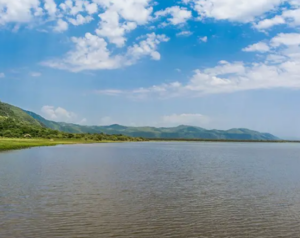
Its diverse landscape encompasses the alkaline lake, open grasslands, acacia woodlands, and a dense groundwater forest, offering a stunning setting for exploration. The shores, bordered by verdant forests against the backdrop of milky waters and a towering escarpment, provide a haven for wildlife, including the park’s iconic pink flamingos parading in the shallows, attracted by the abundant water sources fed by rivers and streams.
This diversity underscores Lake Manyara’s significance as a rich biodiversity hotspot.
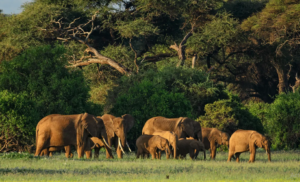
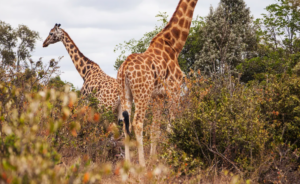
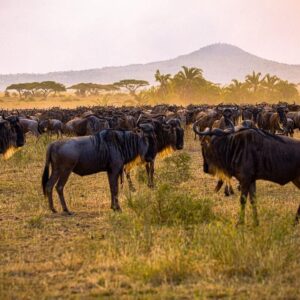
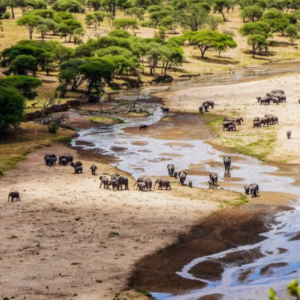
While the park lacks a density of wildlife, it does boast great diversity. Elephants are well-catered for and occur in large herds. Other popular species such as giraffes, zebras, and wildebeest are seldom far from sight. Of the Big 5, only rhinos are absent and the local lions have a peculiar habit of climbing trees. A healthy population of spotted hyenas means that sightings of leopards, cheetahs, and wild dogs are quite rare.
Birdwatchers are spoiled, with over 400 species, while the vegetation is equally fascinating, with ancient fig trees and giant baobabs among the highlights.
Lake Manyara National Park is roughly 126 km (78 mi) from the safari gateway of Arusha, or a 2.5-hour drive. Visitors can also fly directly to the park, which has an airstrip.
Highlights
Majo Moto kubwa hot springs
Hot water percolates to the surface, creating a fertile swampy habitat that is ideal for nesting birds.
Walking safaris
gain a fresh perspective and appreciation of nature by exploring on foot in the company of an armed guide.
Varied activities
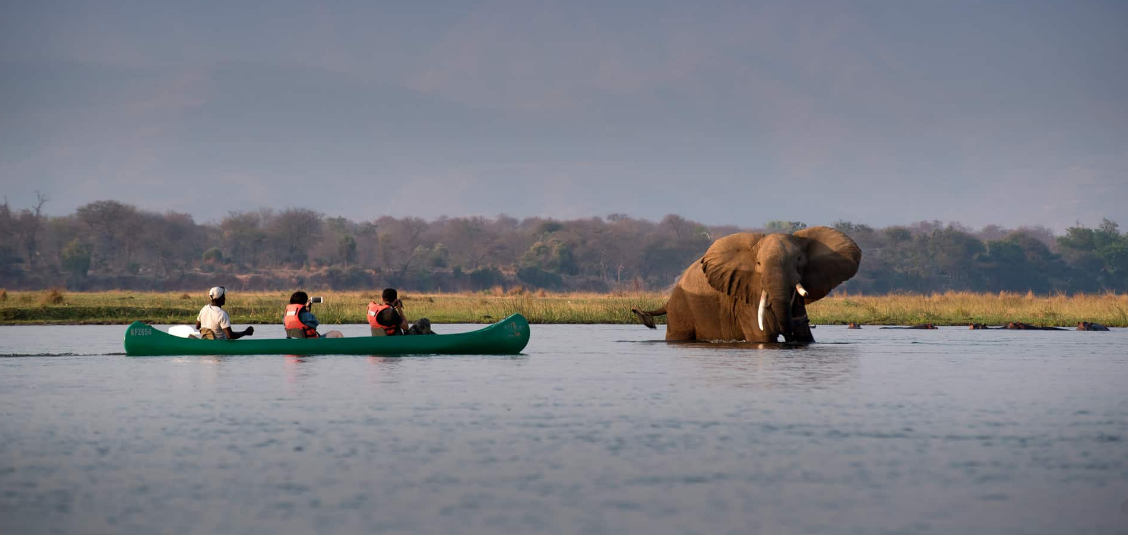
canoe trips, night drives, and a treetop walkway add variety to your safari activities.
Birdwatching
With an average of over one new specie per square kilometer, bird lovers will have plenty to add to their checklists.
Scenery
The picturesque lake, birdlife, and surrounding landscapes all ooze the best of African scenery.
Tree-climbing lions
This is one of the few places where lions climb trees, presumably to enjoy the breeze and avoid insects.
Elephants
Given their love of water, you are bound to see groups of elephants cavorting in the lake shallows .
Year-round safari
The temperate climate and minimal impact of rain mean that visitors can enjoy the wildlife throughout the year.
Activities
Game Drives
Setting out in the cooler hours of the day when the wildlife is most active, you will travel in a customized safari vehicle with an experienced guide in search of Africa’s big game. Full-day options are also available.
Walking safaris
Walking safaris are permitted within the national park, in the company of an armed guide
Canoeing
Drift in near silence alongside the wildlife dotting the shoreline. Your guide will point out various water birds along the way.
Night game drives
Join an exciting game drive after sunset to seek out nocturnal species such as civets, porcupines, and possibly predators
Maasai Cultural Experiences
Visit a traditional Maasai manyatta to learn more about this fascinating and ancient culture.
Bird-watching
There are over 400 recorded species, many of which are water birds. Migrant species are present from November to April.
Wildlife

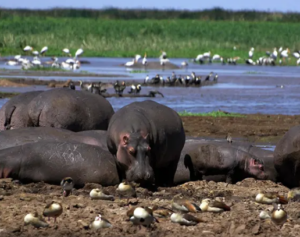
Lake Manyara National Park is celebrated for its birdlife diversity, yet it also provides a distinct game-viewing experience, differing from larger Tanzanian parks due to its size and the lake’s expanse. Notably, rhinos are absent, and leopards are rare, but visitors can frequently see elephants and buffalo near water sources. The park’s lions, though not numerous, offer the unique sight of tree-resting behavior.
The park boasts a variety of antelope species and other game, including impalas, bushbucks, greater kudus, zebras, and wildebeests. Spotted hyenas dominate among predators, reducing the presence of leopards, cheetahs, and African wild dogs. Night drives may reveal smaller carnivores like servals, jackals, and wild cats, crucial for ecological balance.
Primate diversity enriches the park, with olive baboons, vervet, and blue monkeys easily spotted. For bird enthusiasts, Lake Manyara is a paradise, home to flamingos, pelicans, herons, storks, and raptors, including eagles and vultures, drawn by the lake’s alkaline waters and supporting the park’s rich biodiversity.
Landscape

Weather and Climate
Visitors to Lake Manyara National Park can look forward to a generally temperate climate, which can be relatively mild at times. During the day, it seldom gets uncomfortably hot. In the early mornings and throughout the evenings, it can get quite cold, so warm clothing is recommended for game drives during these times.
Like the rest of northern Tanzania, the Dry season occurs from June to September. Two distinct Wet seasons run from March to May (long rains), and October to September (short rains). It seldom rains all day, and shouldn’t impact game viewing.
Best Time To Go
- Dry Season
- Wet Season
- High Season
- Low Season
While game viewing is considered good all year round, the best time is from June to October. This is the Dry season, so the vegetation is less dense allowing better spotting opportunities.