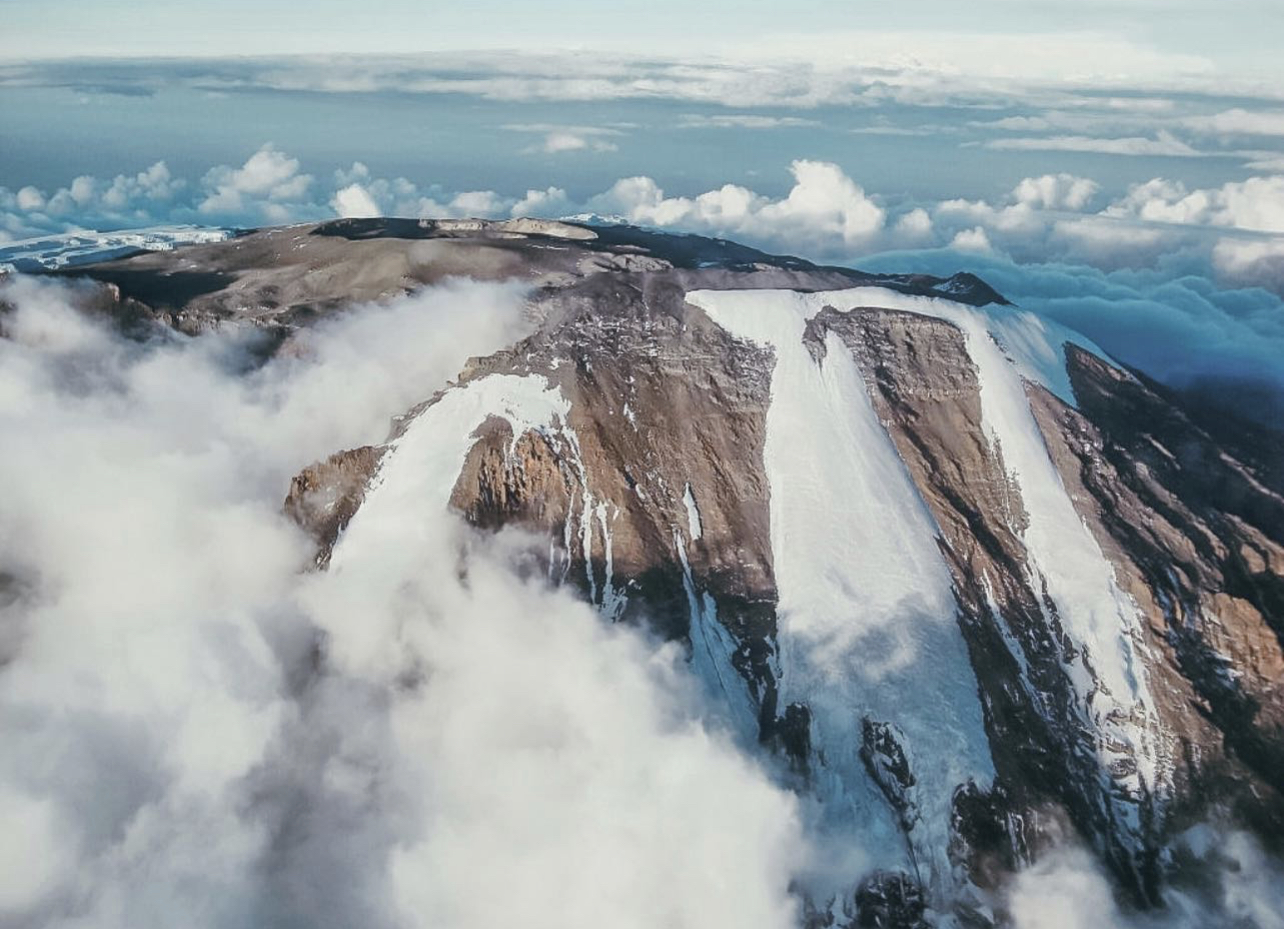
Overview of Mt. Kilimanjaro
Rising 5 895 meters (19 341 ft) above the surrounding landscape, Mount Kilimanjaro holds the dual records of being Africa’s highest and the world’s tallest freestanding mountain. With habitats ranging from rainforest to alpine desert, it is an ecologically diverse environment blessed with outstanding scenic beauty. As a non-technical, yet challenging climb, it is easily accessible via the nearby towns of Arusha and Moshi, close to Kilimanjaro International Airport. Whether novice or experienced, seen from its base or the summit, Mount Kilimanjaro promises a rewarding experience equal to the challenge of scaling its weathered, sheer slopes.
Popular Mt. Kilimanjaro Tours
- Marangu
- Machame
- Lemosho
- Shira
- Rongai
- Umbwe
- Northern Circuit
Marangu Route
Description
Dubbed the “Coca-Cola” route, it is popular with inexperienced climbers who’d prefer to stay in huts than tents. This leads to a false belief that it is easier, when in fact, the short duration allows little time for acclimatisation, and a subsequent low summit success rate. To improve chances, it is recommended to tackle over 6 days.
Landscape
Starting on the southeast of Kilimanjaro, the trail progresses from forest to moors, before taking on a more alien, rugged appearance. The gradient is relatively gentle until the last day, when it gets very steep until the summit. Trekkers use the same path up and down the mountain, limiting the scenery.
Highlights
For some, the sheltered accommodation in huts with cold beverages on offer
Dificulty Level
Difficulty Level Relatively easy until summit day, with lowest success rate.
Distance
Distance 70 km over
5 – 6 Days
Best Time To Go
- When to Climb
- Best Time
- Experienced Climbers Only
While it is possible to climb Mount Kilimanjaro throughout the year, for reasons of comfort and safety it is recommended that you time your trek during either of the two Dry Seasons, especially if this is your first high-altitude climb.
Planning
“If you fail to plan, you plan to fail”. High-altitude treks can be risky endeavors, so proper planning is essential. Always select a reputable tour operator with a proven track record of successful summit attempts. Climbing Kilimanjaro is very popular, so be sure to book well in advance. We highly recommend choosing the longest route you can afford to ensure proper altitude acclimatization. Don’t forget travel insurance, which includes medical repatriation, in case of emergency. You will require some specialist clothing and gear, so check out our comprehensive guide on what to pack for Kilimanjaro. Be sure to field test any gear or clothing before you depart for your expedition.
Training
Guides and Porters
Daily Routine
Typically, you are woken early; around 06h00, with a nourishing breakfast served before breaking camp. You will be given a lunch hamper and set off on the day’s leg, stopping for lunch before continuing into the late afternoon, when you reach the next campsite. Most people retire after dinner for a good rest. It is a good idea to have a dry set of comfortable clothes to wear inside your tent. There are no toilets or washing facilities whatsoever on the mountain. Remember to drink plenty of liquids to stay hydrated.
Who Can Climb Kilimanjaro?
The youngest and oldest to summit Mount Kilimanjaro were 7 years and 88 years old respectively. And, numerous differently-abled people have also successfully managed the climb. The most important attribute is the will to achieve your goal. You will need to be sufficiently fit for a multi-day, high-altitude trek over difficult terrain. If you have these, to improve your chances of a successful summit expedition, do not rush. Walk slowly and rest frequently to offset the risk of altitude sickness.
After Climbing Kilimanjaro
Arusha After Party
Celebrate your summit success with a night on the town, visiting the town’s bustling restaurants, bars and entertainment venues
Safari
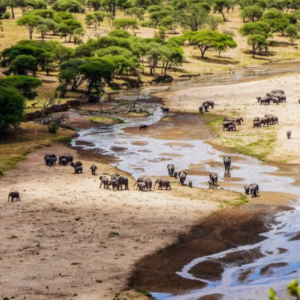
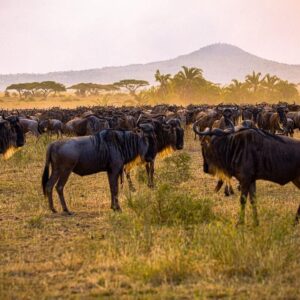
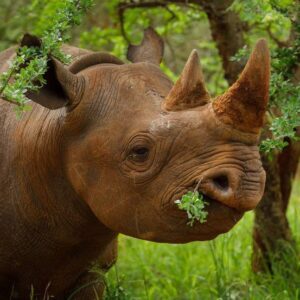
Seek out the Big 5 and more on an exciting safari at one (or more) of Tanzania’s world-famous wildlife destinations
Hot Springs
Soak your muscles and rejuvenate your body at the Kikuletwa Hot Springs near Arusha
Beach Holiday
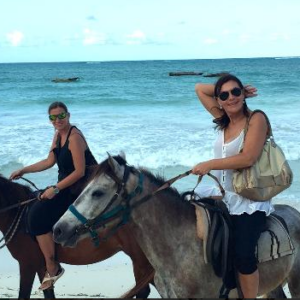
Enjoy a well-deserved beach break in ; where fun, culture and cuisine collide